
November, 2-12-18, 2026 | 2:00pm EST | 3 Hours | 3 CPE
Agencies today are navigating a constant stream of change, whether that’s modernizing infrastructure, rethinking virtualization, adopting cloud, defending against evolving cyber threats, or figuring out how to safely operationalize AI.
We’ll Discuss:
Accreditation:
Participants can earn 3 CPE credit in Business Management & Organization.*
* To receive CPE credit you must arrive on time and participate in the surveys throughout the webinar. Certificates will be e-mailed to registrants. In accordance with the standards of the National Registry of CPE Sponsors, 50 minutes equals 1 CPE. By providing your contact information to us, you agree: (i) to receive promotional and/or news alerts from Federal News Network and our third party partners, (ii) that we may share your information with our third party partners who provide products and services that may be of interest to you and (iii) that you are not located within the European Economic Area.
What is CART?
CART (communication access realtime translation) provides instant accessibility for all participants by delivering the spoken word as a realtime stream of text.
CART Captioner Professional Certifications
Our CART services are provided by Home Team Captions. All of our CART captioners hold, at minimum, the CCP (Certified CART Provider) certification, or higher, from NCRA (National Court Reporters Association.)
To view the CART feed for this webinar: Register for this webinar, login from the link provided, and click on the CART Tab and click the link to begin using CART.
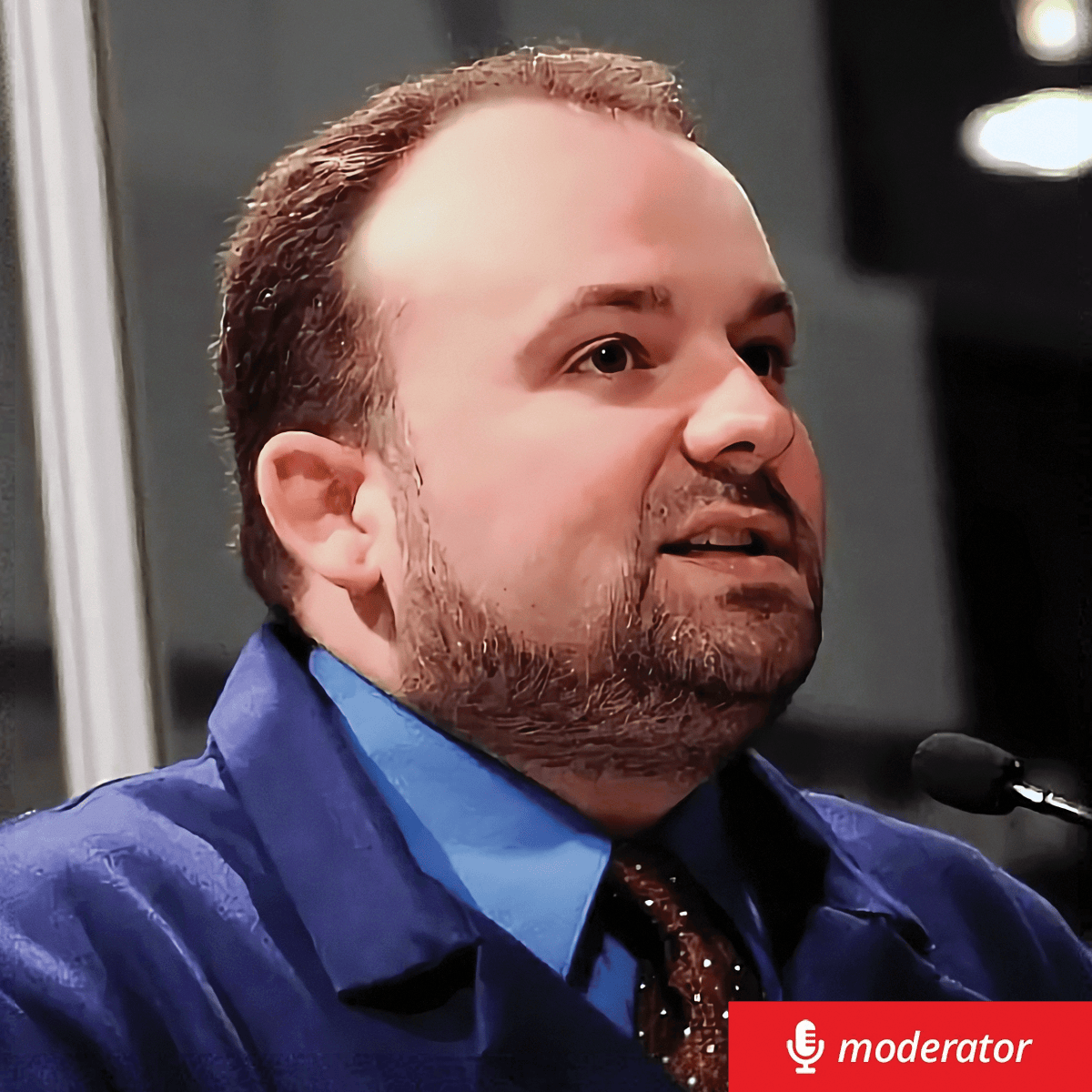
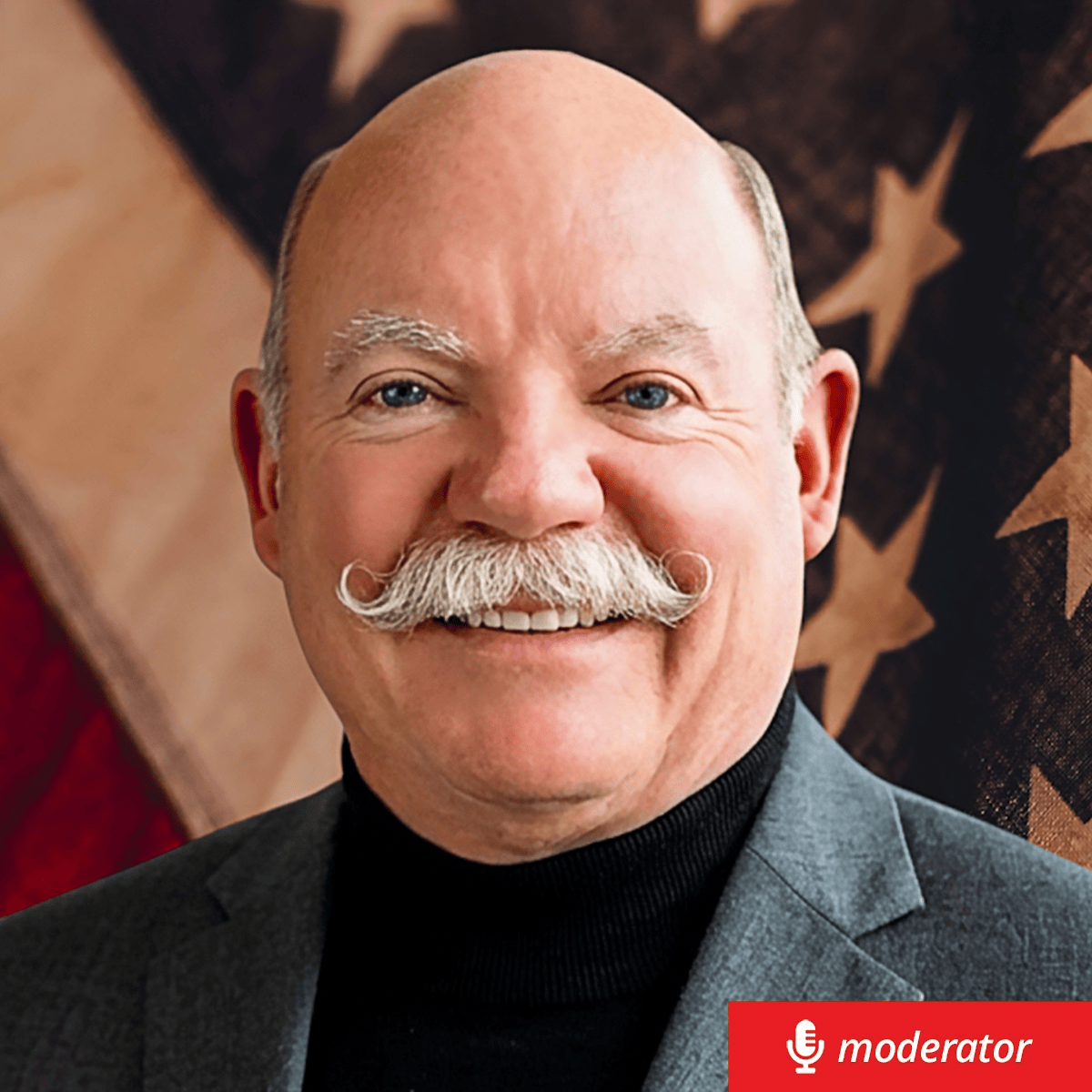
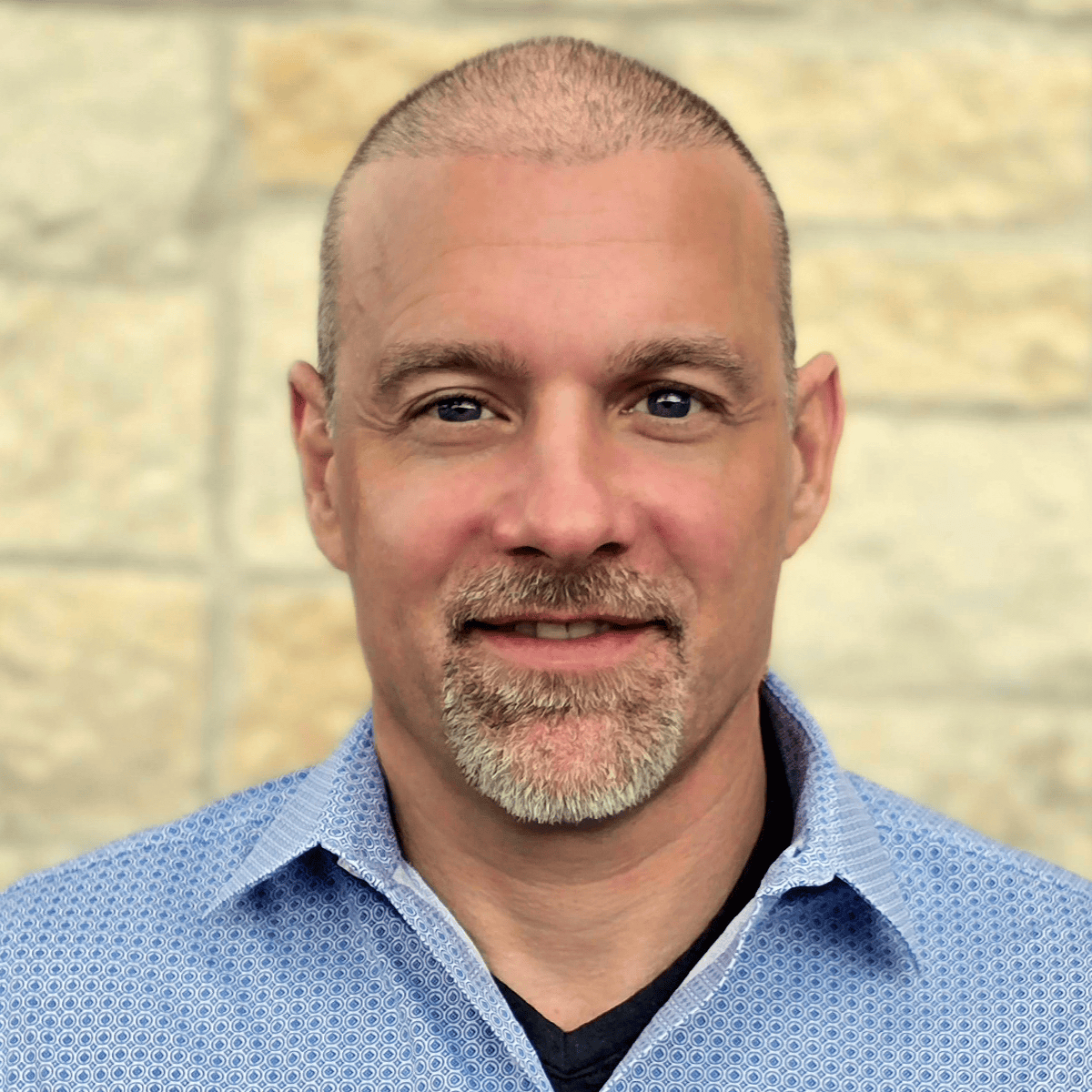
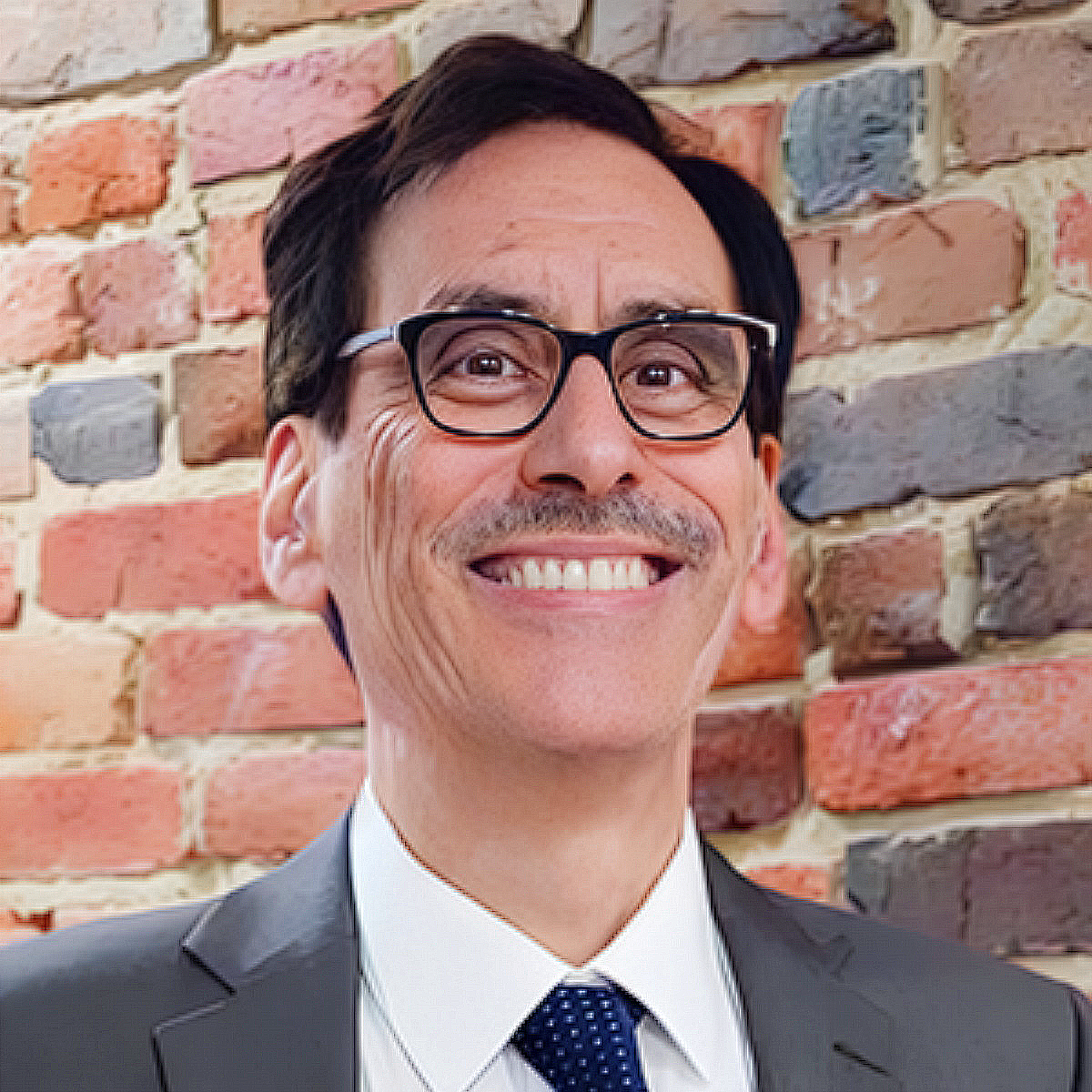
Webinar Series Moderated by:


Maintaining Uninterrupted Operations
Monday, November 2, 2026 | 2:00PM EST | 1 Hour | 1 CPE
U.S. federal agencies manage a broad array of tasks that touch virtually every aspect of Americans’ lives. Civilian, defense, and intelligence agencies are all currently facing requirements to modernize their systems, aimed at providing better user experience and fulfilling their agency’s mission.
Agencies today are navigating a constant stream of change, whether that’s modernizing infrastructure, rethinking virtualization, adopting cloud, defending against evolving cyber threats, or figuring out how to safely operationalize AI. The challenge is twofold: recovering from disruption you can’t prevent while enabling change without creating disruption in the first place.
Join us as thought leaders from government and industry explore practical strategies for protecting mission-critical applications, simplifying IT operations, and maintaining continuity through planned and unplanned disruptions. Because resilience isn’t just about having a plan for when things go wrong. It’s about having the confidence to keep moving when they do.
Learning Objectives:

AI Storage: Enhancing Processing & Data Protection
Thursday, November 12, 2026 | 2:00PM EST | 1 Hour | 1 CPE
Historically data storage has been considered a rather stodgy topic, all about capacity, retrieval speed, and data organization. But as AI data demands grow and change, the role of storage has evolved. This makes sense as AI risks and incidents are becoming more common, and agencies with invaluable data assets recognize they are significant and pose an ongoing challenge for federal and state agencies.
Today storage is rapidly becoming an active data layer where the value of data is realized and having the right data foundation is key for activating an AI strategy
As deployments become more agentic, concurrent, and context-intensive, the data foundation must do more than store information. It must deliver data fast enough to keep expensive AI infrastructure productive, protect essential information against disruption or loss, and help agencies put more of their existing data to work.
Join us as thought leaders from government and industry discuss how government agencies can build an AI data foundation that accelerates inference through high-performance storage and persistent KV cache, protects critical AI data, and opens a new opportunity to activate protected historical data for future AI and analytics initiatives.
Learning Objectives:


Modernizing IT Through Unified Control
Wednesday, November 18, 2026 | 2:00PM EST | 1 Hour | 1 CPE
State, local government, and educational institutions are facing growing demands to modernize IT infrastructure, control escalating virtualization costs, and implement AI securely within strict budget and compliance frameworks.
As “the cloud” has become a fundamental part of IT operations, many state and local agencies actually have moved to a that tailors data, apps and storage to the conditions that provide the security, scalability and cost controls needed to optimize performance.
The challenge becomes maintaining visibility and access across hybrid cloud environments — using public cloud, private cloud, even on-prem infrastructure — through one governed control plane. Providing unified control allows streamlined provisioning and automation across VMs, containers, clouds, and AI-era infrastructure, so organizations can modernize faster, reduce costs, and avoid vendor lock-in.
Join us as thought leaders from government and industry discuss the expanding hybrid cloud environment, the trends driving it, and the tools available to provide the single-level monitoring and control plane needed for end-to-end visibility and governance across these multiple workflows.
Learning Objectives:



Emerging Series Registration
Please use this form to register for FedInsider Webinars you are interested in attending.