
Friday, November 6, 13, 20, 2026 | 2:00pm EST | 3 Hours | 3 CPE

ChatGPT was officially released by OpenAI on November 30, 2022, launched as a free public research preview. It quickly became one of the fastest-growing technology products in history and accelerated the release of competing generative AI platforms across the market.
Now federal agencies are following directives such as the Office of Management and Budget’s “Accelerating Federal Use of AI through Innovation, Governance, and Public Trust.” According to the Federal Agency Artificial Intelligence Use Case Inventory, 56 federal agencies reported AI use cases at all stages of development.
Join us for one or all three webinars on aspects of AI as thought leaders from government and industry share what they have learned from their work integrating AI into their processes.
We’ll Discuss:
Accreditation:
Participants can earn 3 CPE credit in Business Management & Organization.*
* To receive CPE credit you must arrive on time and participate in the surveys throughout the webinar. Certificates will be e-mailed to registrants. In accordance with the standards of the National Registry of CPE Sponsors, 50 minutes equals 1 CPE. By providing your contact information to us, you agree: (i) to receive promotional and/or news alerts from Federal News Network and our third party partners, (ii) that we may share your information with our third party partners who provide products and services that may be of interest to you and (iii) that you are not located within the European Economic Area.
What is CART?
CART (communication access realtime translation) provides instant accessibility for all participants by delivering the spoken word as a realtime stream of text.
CART Captioner Professional Certifications
Our CART services are provided by Home Team Captions. All of our CART captioners hold, at minimum, the CCP (Certified CART Provider) certification, or higher, from NCRA (National Court Reporters Association.)
To view the CART feed for this webinar: Register for this webinar, login from the link provided, and click on the CART Tab and click the link to begin using CART.
Hosted & Moderated by:




Friday, November 6 – From Pilot to Production: Scaling AI Across Government
Federal, state and local agencies are moving beyond AI experimentation and beginning to deploy AI solutions that improve mission delivery, citizen services and operational efficiency.
Moving a project from trial to agency-wide is exceptionally challenging for AI pilots, however. Everything from governance to data cleansing to changes in processes to accommodate AI agents – among other responsibilities and requirements – is different from a test run that works with clean inputs, a specific outcome sought, and humans overseeing each step.
Join us as thought leaders from government and industry explore how agencies are overcoming barriers to adoption, establishing governance frameworks and successfully scaling AI initiatives across the enterprise.
Learning Objectives:
Featured Speakers:

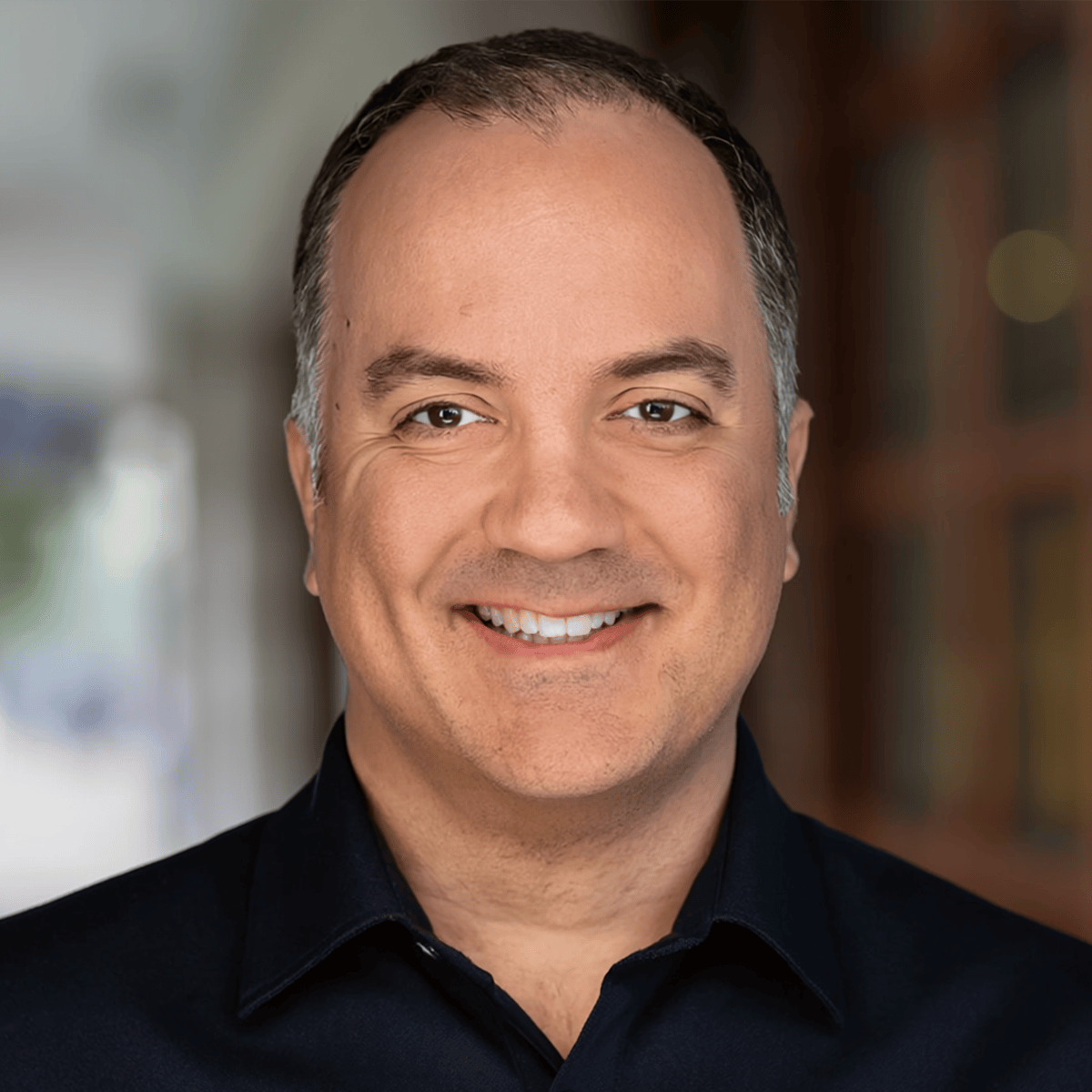
Acting Director, SI Workforce Enablement,
Bureau of Diplomatic Technology,
Center for Analytics, Department of State

Associate Director of Informatics,
Office of Cyber Infrastructure &
Computational Biology, NIAID





Friday, November 13 – Securing AI for Government: Zero Trust in an AI-Driven World
As agencies adopt AI to support critical missions, security and trust must remain foundational. Acting Federal CISO Michael Duffy has argued that agencies preparing their data for AI should see that work as the opportunity to advance their Zero Trust (ZT) initiatives.
ZT is essential because AI is extending the concept of “identity” beyond humans and their dedicated devices (desktops, laptops, mobile, etc.) – devices must have their own unique identities separate from any user. This means that security teams must extend Zero Trust principles to govern the data, models, identities and automated actions that power AI.
Join us as thought leaders from government and industry explore how agencies can apply ZT across the AI lifecycle to address risks related to data protection, model integrity, access control, compliance, and resilience.
Learning Objectives:
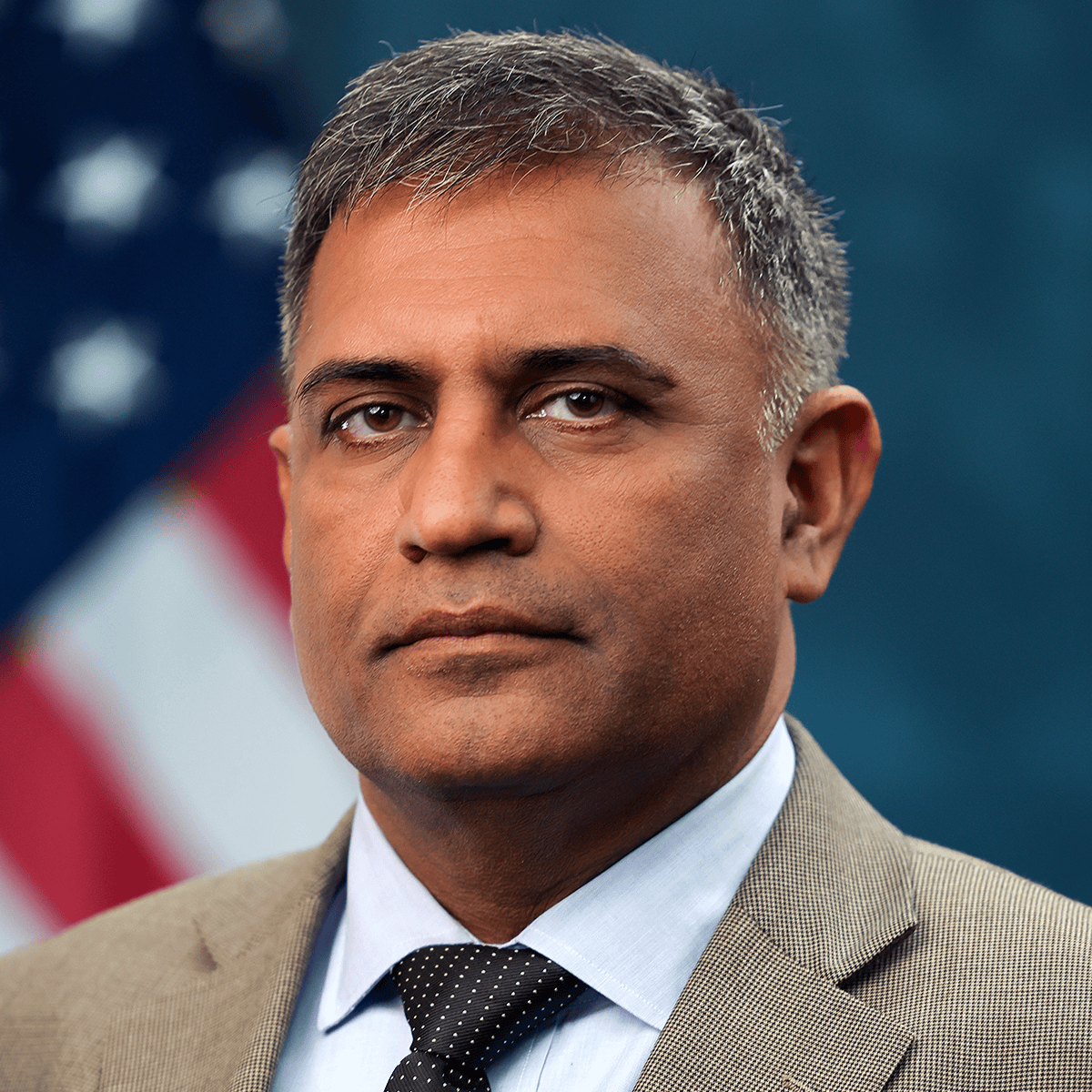
Featured Speakers:





Friday, November 20 – Powering Mission-Critical Workloads: Modern Data Center Infrastructure for AI, Security & Edge
As agencies scale their AI initiatives and adopt Zero Trust architectures, modern infrastructure is becoming essential to mission success. Unlike traditional IT infrastructure – which handles general-purpose business transactions and simple database operations – AI infrastructure is built for high-throughput, parallel data processing required by deep learning and large language models (LLMs).
Join us as thought leaders from government and industry discuss how government organizations can modernize their data centers, edge environments, and hybrid infrastructure to support secure, resilient, high-performance workloads.
Learning Objectives:
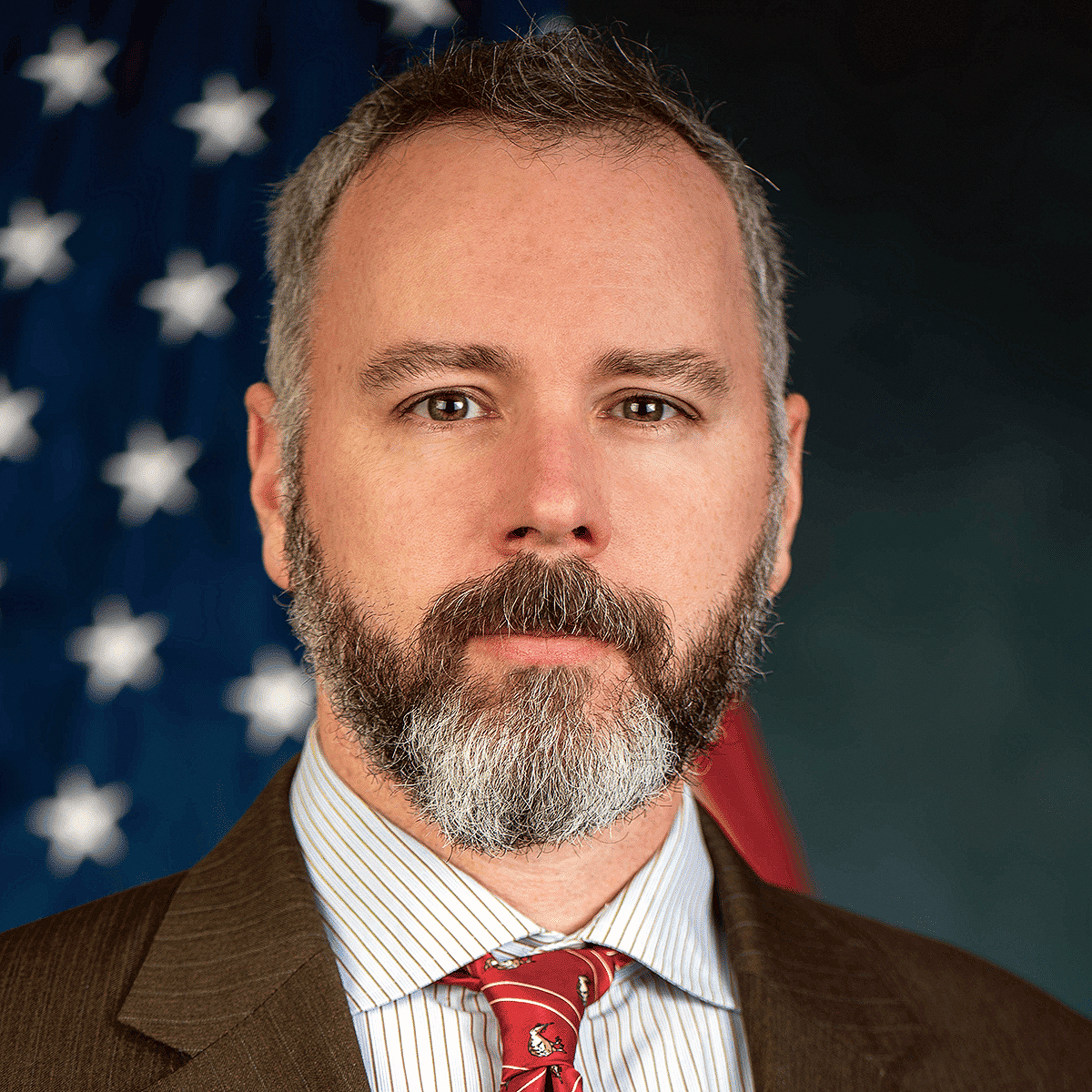
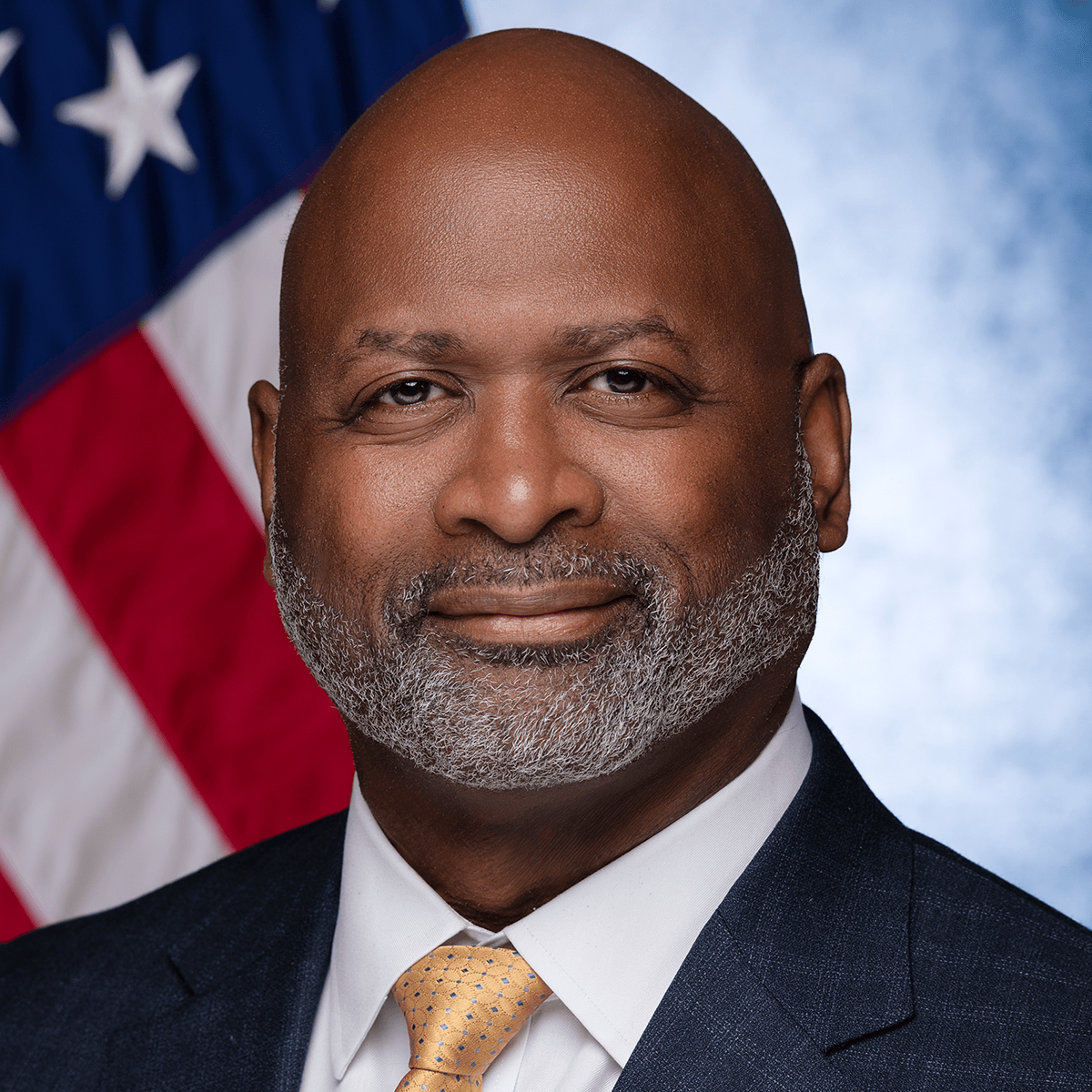
Featured Speakers:

Principal Engineer, Anduril Cognition
Team, responsible for AI/ML
Decision Support at the Tactical Edge



Innovation 2026 Series Registration
Please use this form to register for FedInsider Webinars you are interested in attending.